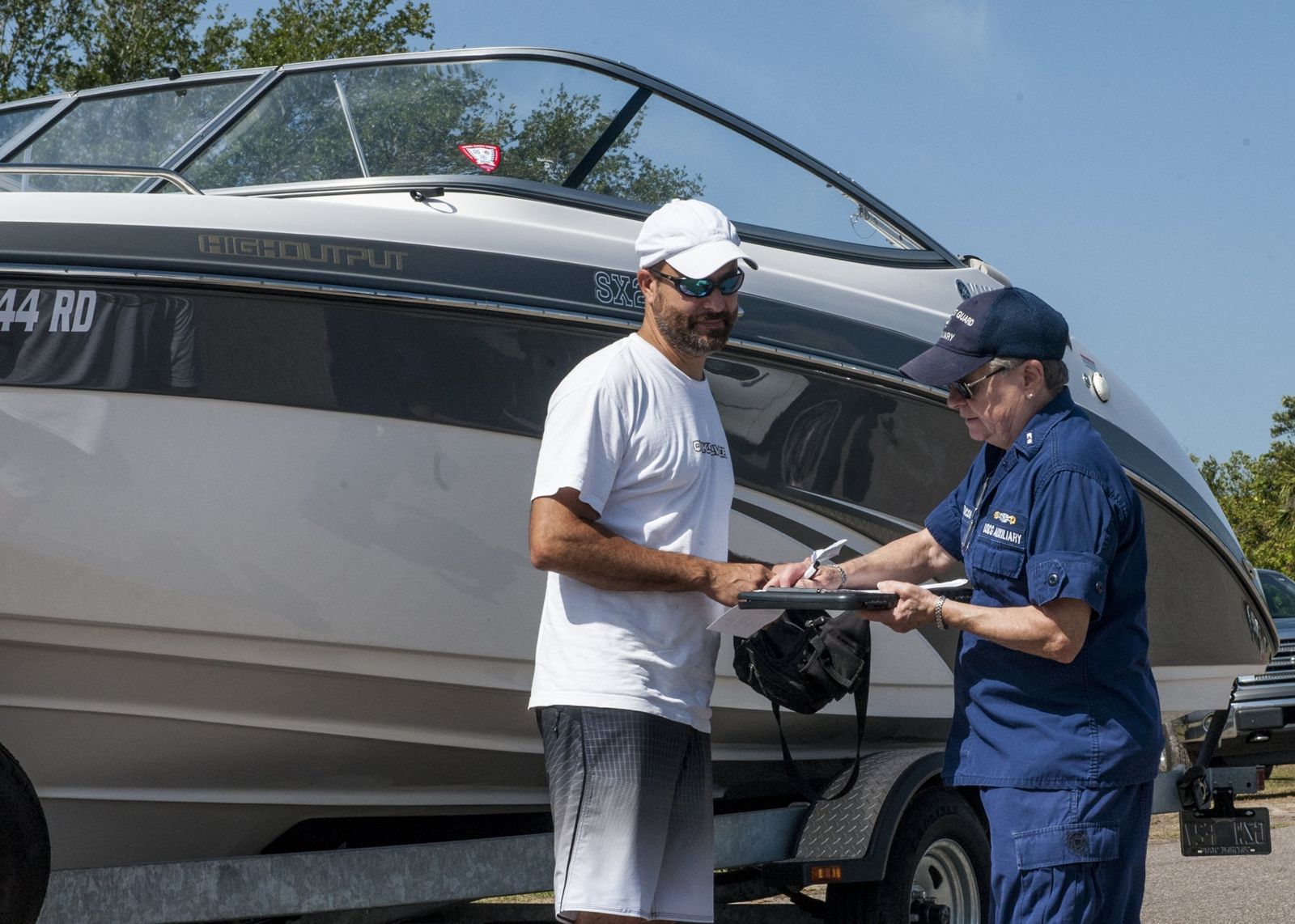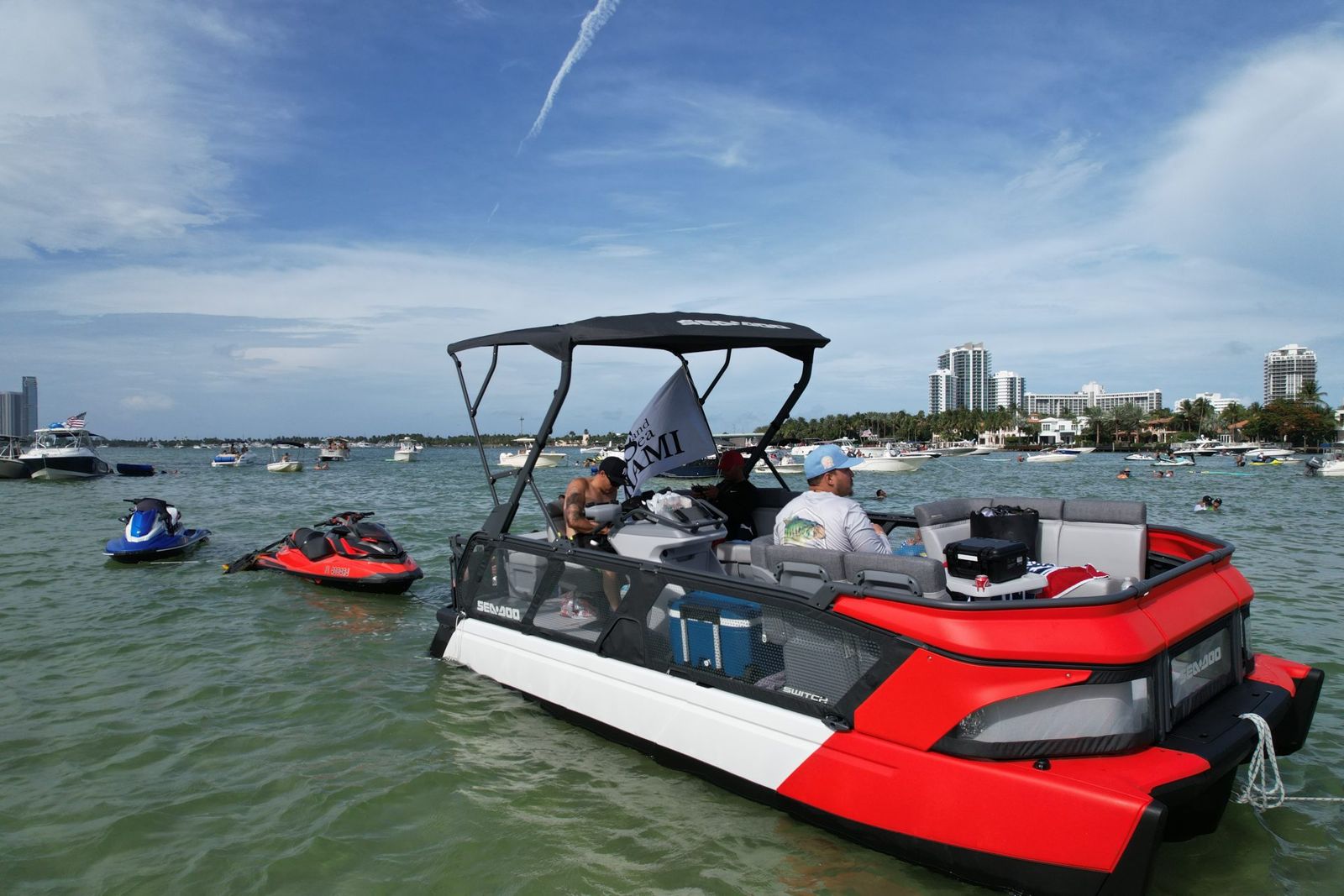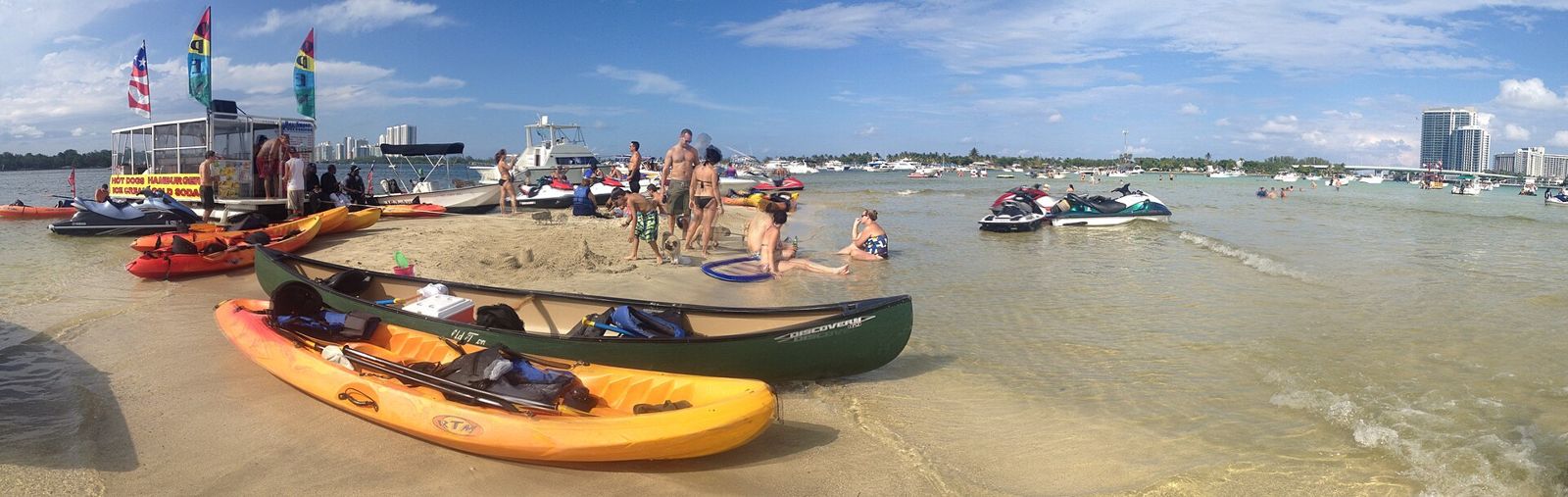
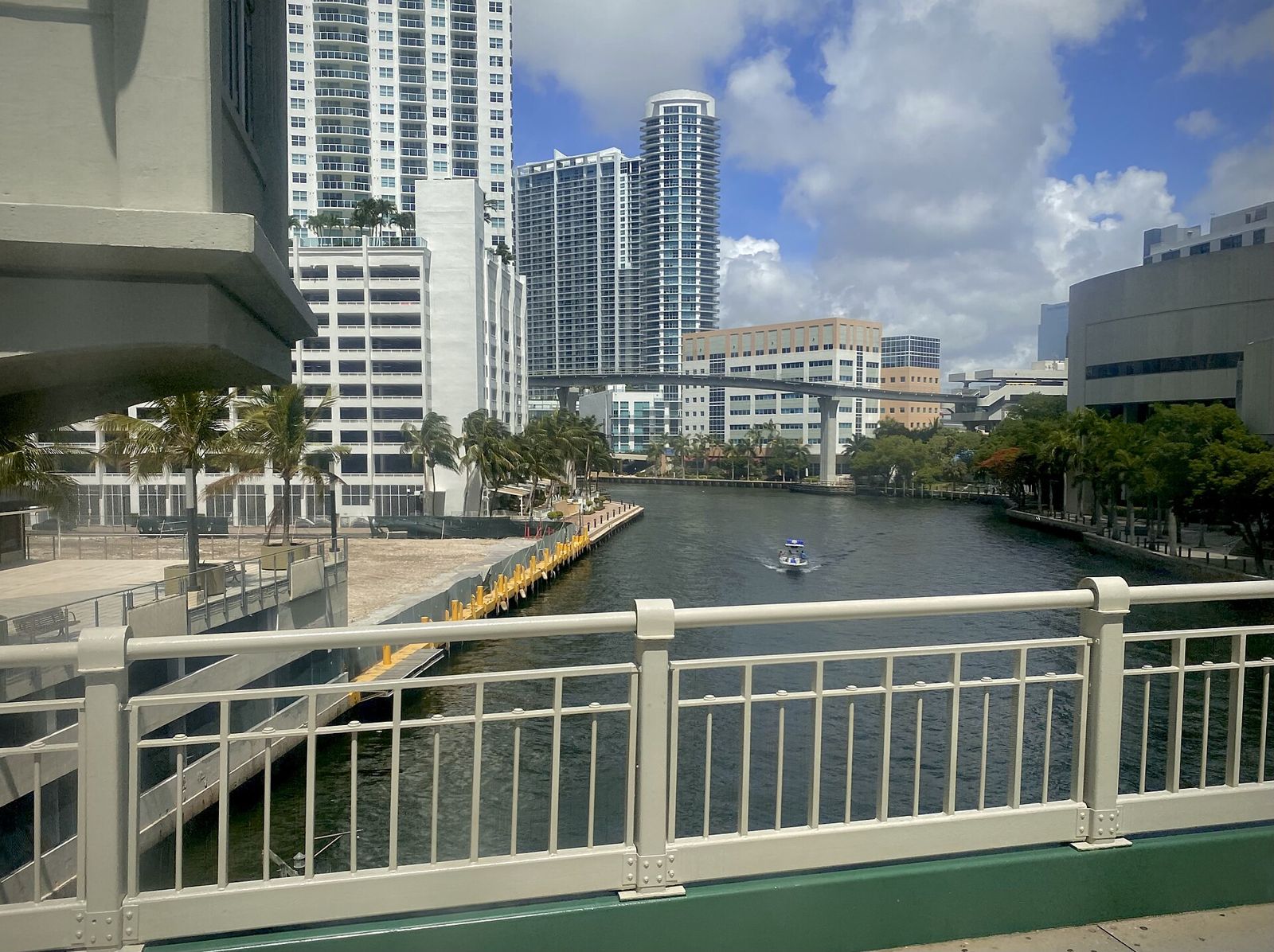
A boat day that someone pays for is a different trip in the eyes of federal law. In 2026, the U.S. Coast Guard has made that point repeatedly on the water around Miami. On February 11, Coast Guard Sector Miami announced that its officers and law enforcement partners had terminated five illegal charter voyages over a single weekend, off Rickenbacker Causeway and Lummus Park. Wave Boaters treats that rule as part of the product: paid charters on the app need a Coast Guard-licensed captain.
What the Coast Guard keeps finding
The February boardings produced a long list of citations. According to the Coast Guard's release, they included failing to employ a credentialed mariner, failing to have a credentialed mariner in control of the vessel, operating without a valid Certificate of Inspection, and not carrying Type I life jackets for everyone aboard. One boat, the 54-foot cabin cruiser EPIC II, was found to be violating a Captain of the Port Order issued in October 2025.
"Illegal charter operations pose a significant risk to passengers, crews, and the broader maritime community," Lt. Jasmine Smith, a Sector Miami investigating officer, said in the release.
Illegal charter operations pose a significant risk to passengers, crews, and the broader maritime community.
The pattern continued. A March release described six more terminated voyages across Palm Beach, Broward, and Miami-Dade counties, including an 88-foot motor yacht reported to be carrying 18 passengers for hire. The Coast Guard said that vessel's owner had already been issued a Captain of the Port Order three separate times. In April, a Station Miami Beach crew terminated another charter near Rickenbacker Causeway, on a 48-foot cabin cruiser operating under an active order.
The stakes for owners are real. The Coast Guard says owners and operators of illegal charters can face civil penalties of $69,000 or more, and that failing to comply with a Captain of the Port Order can bring a civil penalty of up to $117,608 for each day a vessel is in violation.
What a legal paid trip looks like
The basics are published by the Coast Guard's National Maritime Center. The entry-level charter credential, known as OUPV or the "six-pack," is meant for uninspected passenger vessels that by law are limited to six or fewer passengers for hire. Carrying more than six passengers generally calls for a vessel that holds a Coast Guard Certificate of Inspection, and the center points those operators toward a Master endorsement instead.
For guests, the Coast Guard's own advice is short. Anyone paying for a trip should check that the captain has a safety plan and a Merchant Mariner Credential. On larger boats, or with more than six passengers, guests should ask to see a Certificate of Inspection. If the operator cannot produce the right credentials, the Coast Guard says, passengers should not get on the boat.
How Wave Boaters builds the rule in
Wave Boaters is a community app from Wave Boating LLC that connects boat owners, guests, crew, creatives, and local partners. Earlier coverage here explained how members apply, match, and plan days on the water together. Charters are one part of that, and the company's safety section sets the terms.
Owners upload their registration and insurance to earn a Verified badge before hosting. Paid charters need a USCG-licensed captain, either the owner's own captain or a verified captain from Wave. The site describes charters as a way to book a verified boat with a licensed captain for a private group. Every member agrees to a Code of Conduct, and anyone can report a problem from the app.
The crew side of the community connects to the same rule. Captains, deckhands, chefs, and stews can apply as crew on Wave Boaters, show their experience, get verified, and find work with owners nearby. An owner who wants to list a paid charter but does not hold a captain's credential has a path inside the app to find one.
That distinction matters for guest life. A member day out, where friends share a boat, and a charter, where a group pays for the trip, are separate experiences in the app. The charter is the one with a captain requirement attached.
This story draws on public Coast Guard releases and on Wave Boaters' published description of its own safety rules. It does not describe any specific Wave Boaters charter, and it does not add figures the company has not published.
The takeaway for anyone booking a boat this season is simple. Ask who is at the helm and what credential they hold. On Wave Boaters, that question is part of how charters are set up from the start. The app is available now on the Apple App Store.