Every winter, the speed limits on parts of Biscayne Bay change. Starting November 15, a set of seasonal manatee protection zones in Miami-Dade County switches on, turning stretches of the Intracoastal Waterway that allow 30 miles per hour for most of the year into slow-speed water. For anyone planning a sandbar day, a sunset cruise, or a run up the bay this season, it is worth knowing where those lines fall before leaving the dock.
Why the rules change in winter
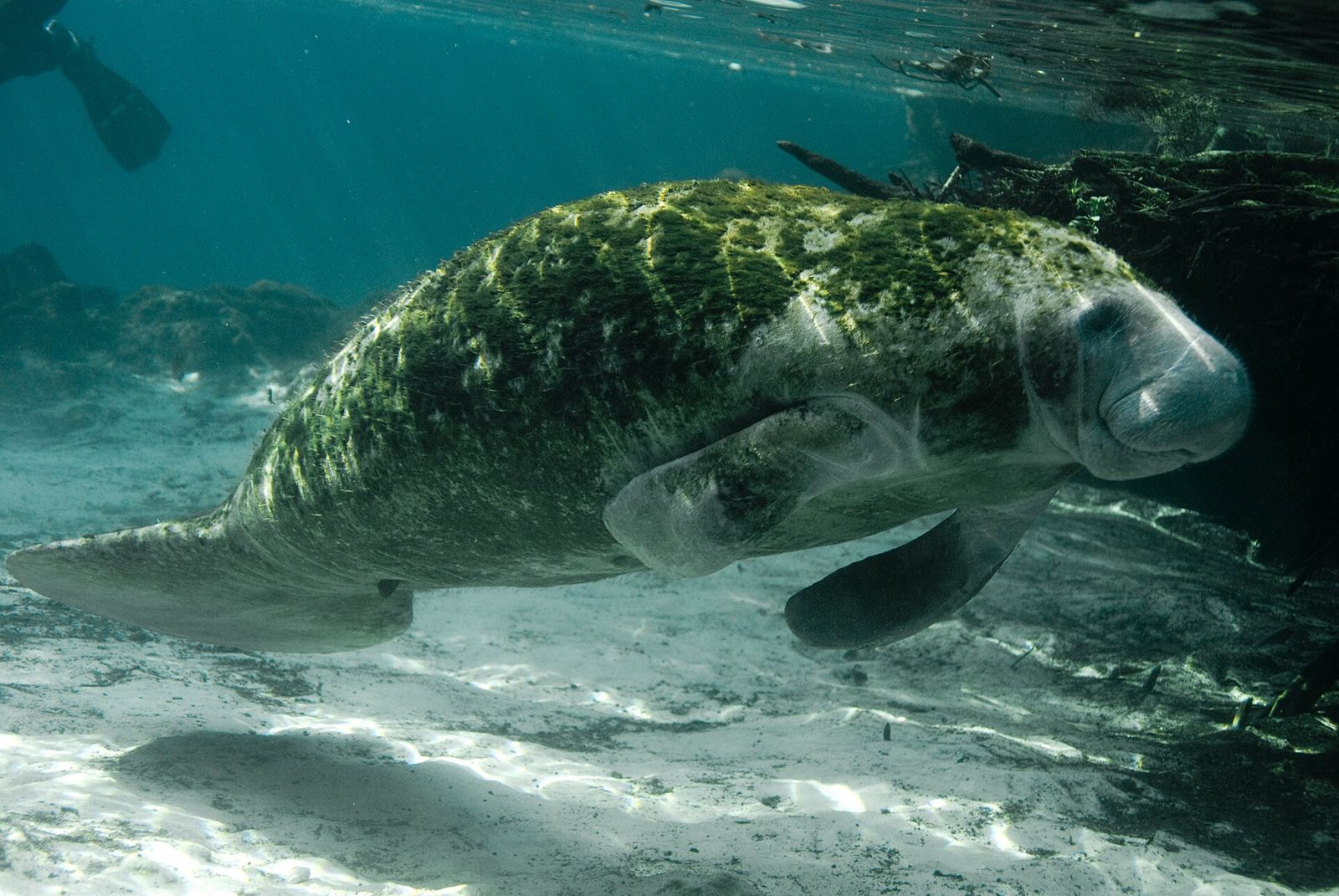
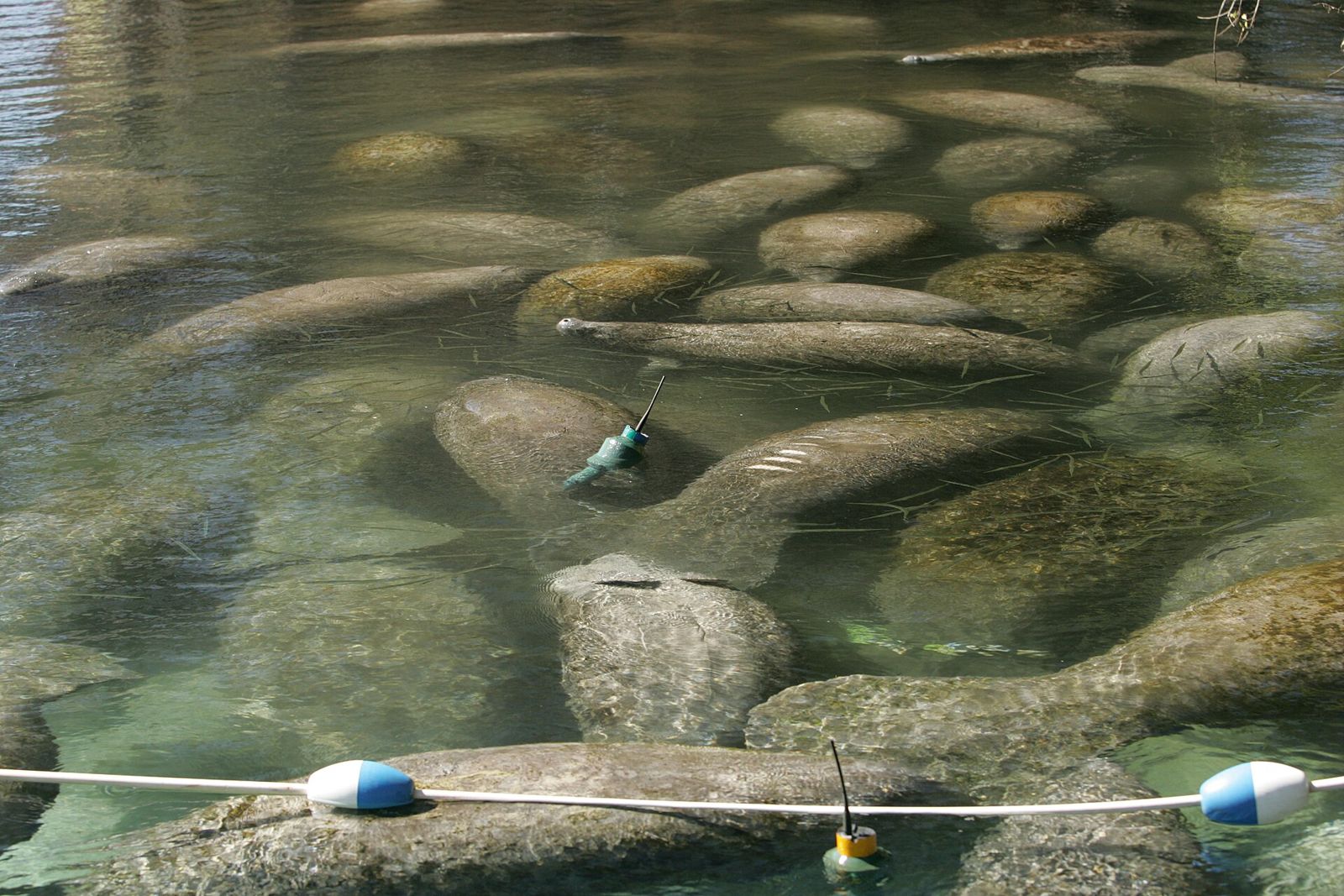
The reason is water temperature. The Florida Fish and Wildlife Conservation Commission (FWC) says on its manatee habitat page that manatees cannot tolerate prolonged exposure to water below about 68 degrees Fahrenheit, and that they migrate to warm-water areas in winter to survive. Those refuges include natural springs and the warm discharge from power plants. FWC estimates that about 60 percent of the manatee population depends on industrial sources of warm water.
As manatees travel and gather, they become easier to hit. In an earlier Manatee Awareness Month reminder, FWC said boat strikes "continue to be a major threat to Florida manatees" and that seasonal zones require boaters to slow down in certain areas to prevent injuries and deaths from motorboats and personal watercraft.
Boat strikes continue to be a major threat to Florida manatees.
Where Miami boaters need to slow down
The Miami-Dade zones are set out in Rule 68C-22.025 of the Florida Administrative Code and drawn on FWC's Miami-Dade manatee protection zone maps. The seasonal pieces that matter most for recreational boaters run from November 15 through April 30:
- - Slow speed in the main channel of the Intracoastal Waterway in the Dumfoundling Bay area, from the Broad Causeway to the John F. Kennedy (79th Street) Causeway, and from the John F. Kennedy Causeway to the Venetian Causeway. For the rest of the year, these stretches are 30 mph zones.
- - Slow speed in part of the Meloy, or East, Channel, between the Surprise Lake area and the Sunset Islands. This is also a 30 mph zone outside the season.
- - Slow speed on parts of Biscayne Bay east of the Meloy Channel, near Indian Creek Village and between the Julia Tuttle and Venetian causeways around North Bay Road and the Sunset Islands. These areas are 35 mph zones for the rest of the year.
- - No entry in portions of the Biscayne Canal, the Little River west of the Biscayne Boulevard bridge, and the Coral Gables Canal.
Those seasonal zones sit on top of many year-round slow-speed and idle-speed zones in the county. The FWC maps also carry a warning that they show only FWC zones, and that other local, state, or federal zones may apply. FWC's protection zones page adds that where areas are regulated by more than one government, the most restrictive rule applies, and that rule is the one posted on the water. The signs are the final word.
What "slow speed" actually means
There is no number on a slow-speed sign. Under the rule's definitions, slow speed means a boat must be fully off plane and completely settled into the water, moving at a reasonable and prudent speed with little or no wake. A boat that is on plane, or still coming off plane, is not at slow speed. Idle speed is stricter: no faster than needed to maintain steerageway and headway.
For a captain with guests aboard, that means planning extra time on any run through the causeway stretches. It also means setting expectations early, so the crew is not surprised when the boat settles down in the middle of the bay.
Heading north to Broward
The same date matters farther up the coast. FWC's summary of cold-weather zone changes lists seasonal slow-speed rules on the Intracoastal Waterway in Broward County from the Palm Beach County line through Hillsboro Inlet and south toward Fort Lauderdale and Port Everglades, from November 15 through March 31, with some portions slow speed on weekends only. Anyone taking a boat to the Winterfest Boat Parade on December 12 should check FWC's Broward County maps and the posted signs along the way.
How to be a good neighbor on the water
FWC's advice to boaters is simple: follow the zones, keep a lookout, wear polarized glasses, and give manatees space. The agency says manatees are a protected species and that it is illegal to feed, harass, disturb, or harm them. It also warns that disturbing manatees at warm-water sites can push them out into cold water that may be life-threatening.
If someone aboard spots an injured, sick, distressed, or dead manatee, FWC asks people not to handle it. Instead, call the Wildlife Alert Hotline at 888-404-FWCC (888-404-3922), or dial #FWC or *FWC on a cellphone. Be ready to give the exact location, the nearest public boat ramp, and a callback number. Hosts who want a broader refresher for first-time guests can start with our guide to boat etiquette for first-time guests.
Zone descriptions here are summarized from the Florida Administrative Code and FWC's published maps. Boundaries are detailed, and posted signs on the water control. Check the official maps before every trip.