Florida's stone crab season opened on October 15 and runs through May 1, according to the Florida Fish and Wildlife Conservation Commission. For South Florida, that means claws are back on restaurant menus. For boaters, it also means a season when a few recreational traps can turn a day on the water into dinner, as long as the paperwork and gear follow state rules.
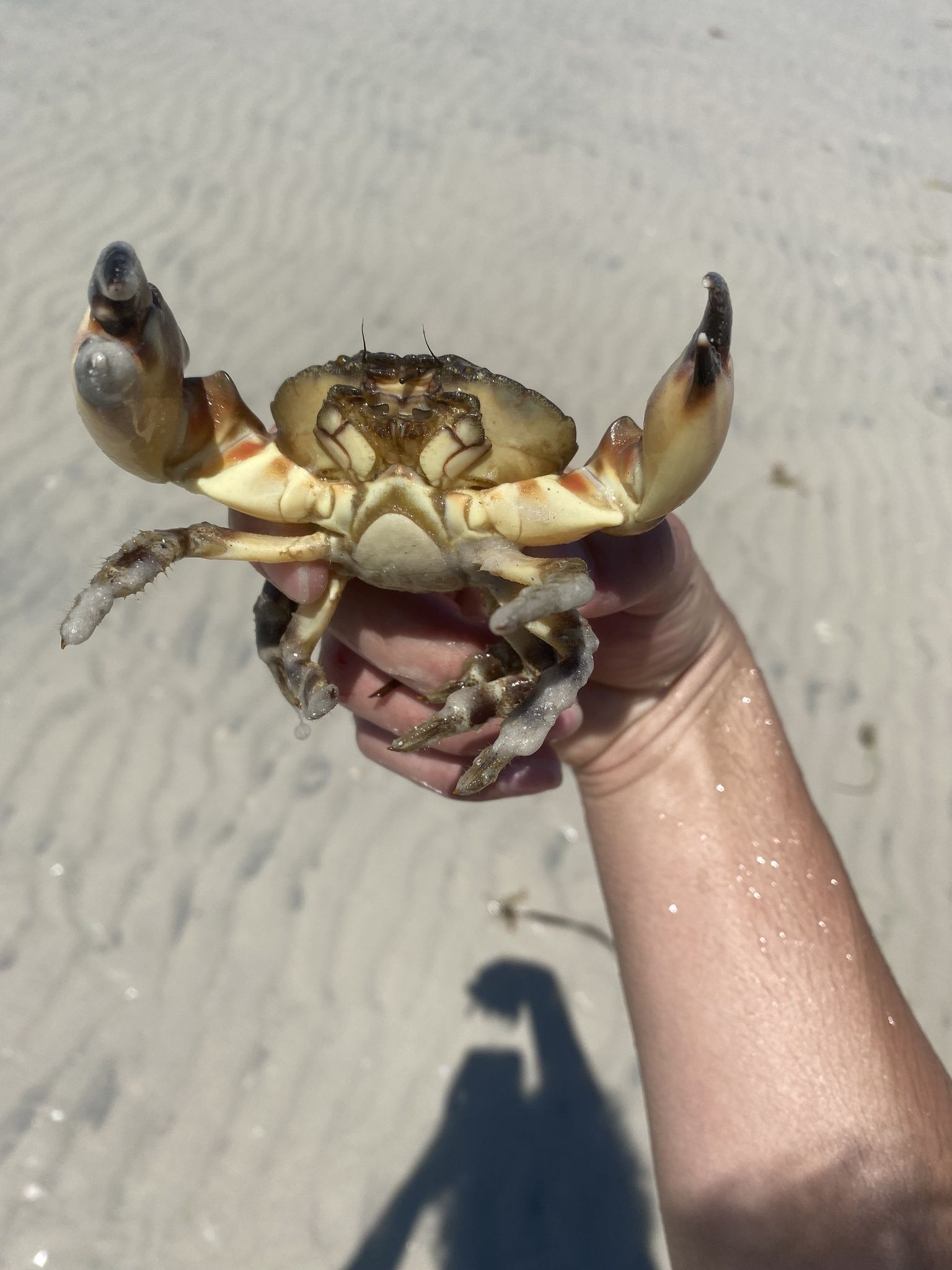
The fishery works differently from most. Harvesters take only the claws and return the crab to the water alive, and the crab can regrow what it lost. WUFT News reported on November 6 that some Citrus County businesses had a solid start to the season, while higher fuel costs were squeezing everyone from fishermen to retailers.
Claws on the menu
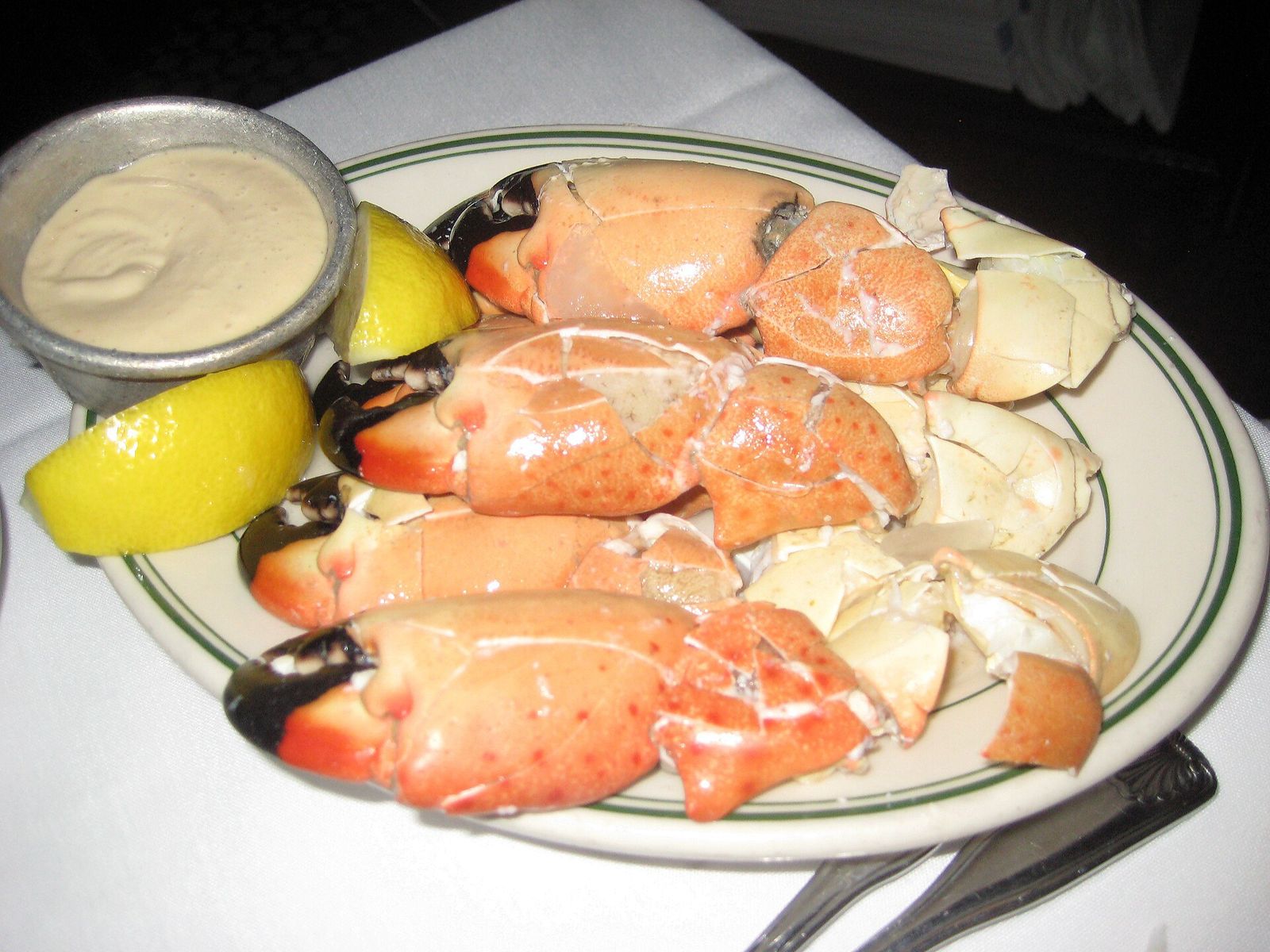
On Miami Beach, Joe's Stone Crab opened for its 114th season on October 16, NBC 6 South Florida reported. The station noted that the claws are sold year round, but fresh claws come only during the October 15 to May 1 season, and that several other South Florida seafood restaurants serve them during those months.
For crews planning a boat day around a dockside lunch or a cooler of claws picked up before leaving the marina, the season gives the next five and a half months a natural menu. For those who want to catch their own, the rules start before the boat leaves the dock.
License and trap registration
A Florida saltwater fishing license is required to take or attempt to take crabs, the FWC license page says. The free resident shoreline-only license does not count when fishing from a vessel or from a shoreline reached by vessel. FWC lists a resident annual saltwater license at $17 and a nonresident three-day license at $17.
Recreational trappers age 16 and older also need a separate, no-cost stone crab trap registration, added to a fishing license account through GoOutdoorsFlorida.com. FWC says the registration applies even to people normally exempt from needing a license. Each person receives registration numbers beginning with the letter "S," and those numbers must be permanently attached to every trap, along with the owner's full name and address. Harvesters under 16 do not need to register but still must mark traps with their name and address.
Size, bag limits, and gear
The FWC stone crab rules set these limits for recreational harvest:
- - Claw size: at least 2 7/8 inches. Only claws may be harvested.
- - Bag limit: 1 gallon of claws per person or 2 gallons per vessel, whichever is less.
- - Egg-bearing crabs: harvest is prohibited.
- - Traps: no more than five per person, and only the traps registered to that person. A dip or landing net is also legal.
- - Banned gear: anything that can puncture, crush, or injure the crab body, such as spears, hooks, or grabs.
FWC also says traps must be pulled by hand, not with a trap-puller, and any vessel rigged with a trap-puller is treated as commercial. Traps may be pulled only during daylight hours and may not sit in marked navigation channels or Intracoastal Waterway channels. Buoys must be at least 6 inches and carry a legible "R" at least 2 inches tall, though buoys are not required for traps fished from a dock.
Miami-Dade, Monroe, and Collier counties have a tighter trap rule. FWC says the trap throat there can be no larger than 5 1/2 by 3 1/8 inches, and round throats are prohibited.
Both claws may legally be taken if both meet the size limit. FWC points out that a crab left with one claw can feed more easily and regrow the missing claw sooner.
Harvesters take only the claws and return the crab to the water alive, and the crab can regrow what it lost.
Where traps are off limits in Biscayne National Park
FWC lists separate rules for Biscayne National Park, the water-based park that readers may know from earlier Wave Boaters guides to Boca Chita Key and Stiltsville. All traps are prohibited in the park's five Coral Reef Protection Areas. A trap-free zone of about 0.3 square miles covers the water near the visitor center at park headquarters, and the Legare Anchorage trap-free zone covers 1.2 square miles east of Elliot Key to protect submerged cultural resources. Both apply to recreational and commercial traps.
Plan the run, and watch the water
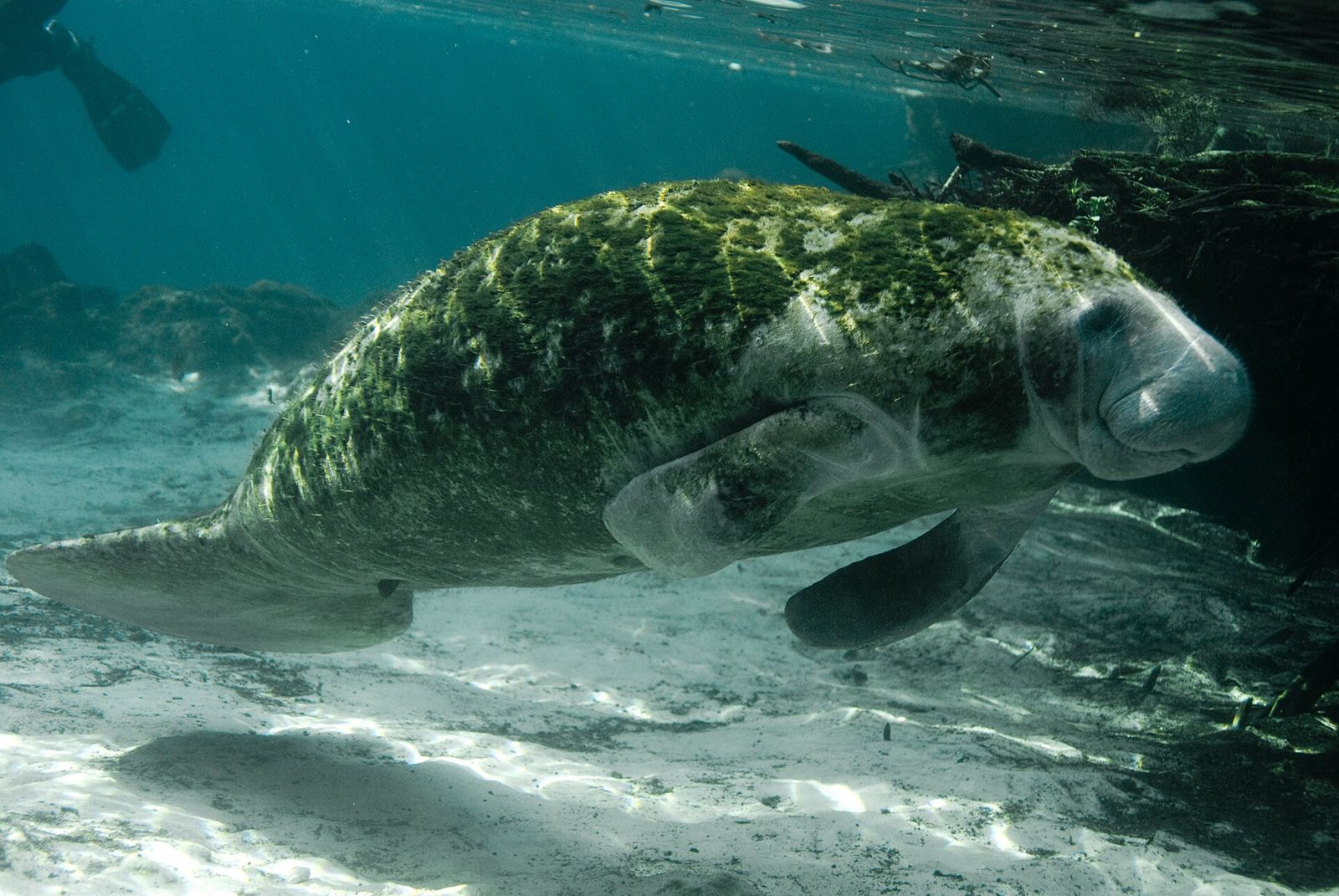
Stone crab season overlaps with manatee season. Seasonal slow-speed zones in Biscayne Bay took effect November 15, as Wave Boaters covered in its manatee season guide. Crews checking traps in shallow water should watch for both the zones and the animals.
The FWC rules can change, so the agency's stone crab page is the place to check before setting a trap. The season closes on May 2.
Sources: Florida Fish and Wildlife Conservation Commission stone crab, license, and Biscayne National Park regulation pages, checked November 16, 2026; WUFT News; NBC 6 South Florida. Photos are archival and from Wikimedia Commons.